What is mise-en-scène? How is the term used in the film industry? What are two reasons that it is so important?
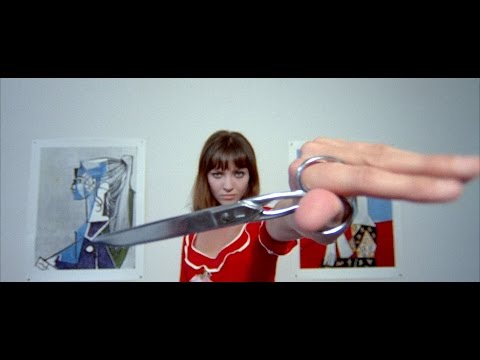
The literally definition of mise-en-scène is "placing on stage," which encompasses everything in a shot and the things that movies share with plays: props, lighting, wardrobe, blocking, and the layers (foreground, middle ground, and back ground). It also includes camera details such as angles, aspect ratio, focus, and lens focus length as well as editing aspects like color grading. In the film industry, the term is used for framing (i.e. everything in the shot, like previously mentioned) and continuity. The reasons why this is so important is because if this is broken, it breaks the audience out of their immersion and can make a scene confusing to watch. Having continuity breaks knocks the people watching out of their suspension of disbelief because they notice that it doesn't make sense. Confusing the audience in this way makes the viewing experience worse and can completely ruin a film for someone.



No comments:
Post a Comment