Thursday, January 16, 2025

The Phantasmagoria

What was the Phantasmagoria?  After reading this article, write a reflection on what elements of the Phantasmagoria became adopted into the development of movies.

    The Phantasmagoria is a type of horror spectacle akin to modern day haunted houses. It incorporates science, illusions, and tricks to scare audiences. One major centerpiece is the magic lantern as they use it to create projections of demons and monsters, which were considered much scarier then as more people were religious. Some elements that became adopted into the development of movies are the specific lighting choices, foreshadowing, and immersing the audience. One of the elements of Phantasmagoria was the use of dim and dark lighting; which (1) helps make the projections more visible, (2) added to the atmosphere, and (3) triggered the natural fear response that humans have to darkness. Purposeful lighting is a big part of cinema and the use of darkness for the same reasons are present in a lot of horror films. Another aspect is the use of foreshadowing. In the Phantasmagoria, the idea that the host could have the ability to interact with the dead and even revive them by showing a demonstration of making a dead frog move with electric shocks. Of course, the audience don't know that and think that he has powers or witchcraft. This makes the climax of the Phantasmagoria that much more terrifying as they have the idea planted that the impossible could happen. This is important in movies as foreshadowing important details can create a satisfying moment of realization or to plant ideas into the audience's head. This goes into the immersion, which is very important for the Phantasmagoria to work. People are most scared of the unknown and if they knew the technical aspects and science behind the elements of the Phantasmagoria, they wouldn't be so scared because they know it's not real. That's why it's so important to keep the immersion. This is also key in movies as breaking the immersion can ruin the entire experience. This could happen with things such as continuity errors, undeserved plot twists or jump scares, and/or failing to properly set up the audience's suspension of disbelief.

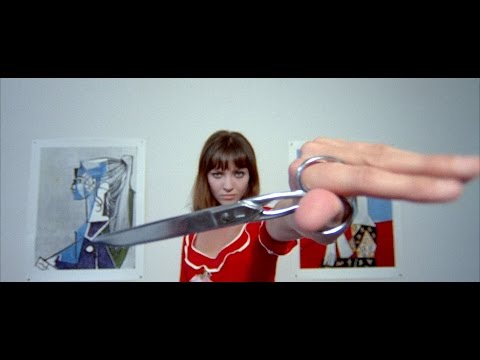
Wednesday, January 15, 2025

Early Humans

What role does lighting play in the caves?  How might these paintings have been used by primitive man?  What are the two techniques that the early artists used to paint on the walls of the cave?  Why do you think they painted with these images?

    The primary purpose of lighting was to increase visibilities within caves; however, the small area lit by small fires can provide dramatic staging and alter the color of cave paintings. Additionally, the flicker of a flame can trick our brains into filling the gaps of darkness with motion—making the paintings appear animated. These paintings may have been used by primitive man for spiritual rituals, recounting events, and or to serve the same purpose that a lot of more modern art serves. Two techniques that the early artists used to paint on the walls of caves were repeating the same image and superimposing images to create animation. There is one painting which depicts a multitude of identical deer heads with slightly different positions; if you were to see them one by one then it would appear like a single dear raising its head. In another cave, there were rhinos that were drawn overlapping one another and it is possible that, with fire light, it may appear to move. I think that these images were painted to fulfill the purpose that art has had throughout history. Although one may think that primitive man would have no purpose for art, in every point of history, including dark ones, people have created art. Art can be used for spiritual purposes, records, expression, escape, or even as a simple hobby for fun.

Tuesday, January 14, 2025

Cinema History Pre-reflection

How do you think the history of cinema has influenced the way we tell stories today? Are there any examples of films or techniques that might have been inspired by the past?  What are three things you'd like to learn during this unit?

    The history of cinema has influenced the way we tell stories today as the artistic techniques that were developed culminate into the aspects of modern storytelling. For instance, film noirs were limited by their budgets and technology, so in order to still achieve an aesthetically pleasing image, they utilized dramatic and gritty lighting. We now have the luxury of color but still incorporate lighting to add to the story—using lighting techniques that can reveal character traits or add to the mood and emotion of a scene. Another way could been seen through movies like Birth of a Nation and Battleship Potemkin, which both were made to express an idea, be that to perpetuate racism or as communist propaganda. However, these films set a precedent of using cinema to give an idea to the audience and not just tell a basic story. Viewers leave feeling differently about important topics. This evolves into how stories use metaphorical representation of real world issues within their fictional worlds. An example are dystopian films such as the Hunger Games, which act as criticism of current issues by being a cautionary tale of how much worse they can get.

    Three things that I'd like to learn during this unit are how foundational filmmaking techniques came to be, the context behind different eras of cinema, and the stages of technology.

Monday, January 13, 2025

The Evolution of Film

After watching this video, what are some of the aspects of the history of film that stood out to you?  What makes them seem significant?

    Some aspects of the history of film that stood out to me were the advancement of the art and capabilities of filmmaking. We can see that the earliest instances of films were essentially just moving pictures of normal everyday things like people, animals, or trains. However, the artistic possibilities began being explored and we can see stories being created. As filmmaking develops further, we see more and more artistic choices being made; such as dramatic lighting of the film noirs or the unique framing of shots. What goes hand in hand with the artistic elements is how the capabilities advanced as well. For instance, the introduction of Technicolor bringing a whole new depth with the artistic potential through color. Now, color theory and more major principals of traditional art can also be applied in the visuals of filmmaking. Furthermore, with the development of CGI, scenes that would've been impossible to shoot or very dangerous can now be done in much safer and more controlled environments. The advancement of tech also helped to bring costs down, which meant that people could take more creative liberties with what they make.

Friday, January 10, 2025

Creating the Perfect PSA

What are three things to keep in mind when getting started with creating a PSA?

    Three things to keep in mind when getting started with creating a PSA are research, your audience, and how you grab their attention.

    One of the most important things you need to do before you start writing or shooting your PSA is to research. You're going to want to know the topic of your PSA well and finding information like statistics and other evidence that you can use to support your message is very important. You can use this research to make a more effective and impactful PSA, that way more people are affected and take something away from it.

    A very key part of a PSA is your intended audience. You can't create anything that appeals to everyone. There's going to be strategies, references, and cultural differences that change how different audiences are going to react. For instance, if you were writing for teens, they are likely going to know and understand more recent pop culture and social media; however, much older generations will be less likely to understand it and the message may not be clear to them. But not just age determines audiences. You should have a specific audience in mind when creating your PSA or any argument. Think about their values, how they may react, and how you can use it to make them understand your message. For instance, PSAs about the dangers of smoking are often only directed towards people who are actively smoking or people close to them. If you're someone who never smokes and or has no interest in it, you aren't going to need that message. 

    With an idea of your audience, you can then figure out what strategies you'll use to get their attention and change how they feel or think. This comes in a multitude of strategies both for argument and visually. You can use appeals to emotion, logic, and credibility to try and persuade the audience. Something to keep in mind is that emotion is a quick but short term way of persuading, and logic takes more time but is more effective in the long run. So ideally, using a mix of the two can get the audience to be much more open to your message and much more likely to internalize it. Appealing to emotion can come in a variety of forms; sadness, fear, and humor are some of the most common emotions used. Be that sadness for a group, fear for what might happen to you, or humor to lighten up a sensitive topic. Appeals to logic can look like statistics, cause and effect, and using quotes. Appeals to ethics are often via expert opinions or using actors that people recognize, such as celebrities.

Thursday, January 9, 2025

2-Column Script Format

What are 3 key things that this article says are important about formatting an AV script?

    Three key things that this article says are important about formatting an AV script are the font, the columns, and the spacing. The font needs to be Courier New size 12, which is the professional standard and looks how traditional typewriters typed. This is important because Courier New sans serifs and is a fixed-width font—meaning that every character is the same width. This makes the font much easier to read and because one page with this font is usually about a minute of screen time. Furthermore, you must capitalize every word that isn't spoken on the script such as the video directions and character names. Regarding the columns, the left side is dedicated to the video descriptions and the right side is for the audio. The video side is in all caps and includes the slug lines, stage directions and camera directions. The left side includes all audio such as music, SFX, and dialogue. This is important because following this covers your bases and makes it easier for other people to read your script. The spacing is important because often time people write notes on scripts and space is needed to do so. The margins should be one inch on the edges of the page and the script should be double spaced.

Wednesday, January 8, 2025

Writing an Effective Video Script

What are the four parts of an effective video script?  What do each of these parts do for your final video?

    The four parts of an effective video script are the hook, introduction, main body, and call to action. The hook purpose is to grab and hold the attention of a potential viewer. This needs to be done within the first 5-15 seconds of the video and the hook needs to be short and straight to the point. A good way to make the hook is to tell the viewer exactly what to expect from the video so that they know whether watching it would benefit them in some way—be that as entertainment and/or education.  The introduction should also be kept short and is the time to introduce yourself and any additional information about you or the video that the viewer should know. The body of the video is where the actual content resides and is what the viewer stayed to watch. Next is the call to action, which you can do for multiple things and in multiple places within your video. You are able to include a call to action within the body of your video for things that increases engagement or for other purposes like marketing your brand or sponsors. One area that should include a call to action is the end of the video as it may keep viewers on your channel, direct them to resources, products, or services, and/or take action that work to your interest. Some examples of a call to action are asking the viewers a question to answer in the comments, asking them to subscribe if they enjoyed or found the video helpful, and asking them to like the video.

Innovations of the New Wave Pt. 1

What were some key stylistic innovations of the French New Wave?  How did it change editing?     Some key stylistic innovations of the Fren...